
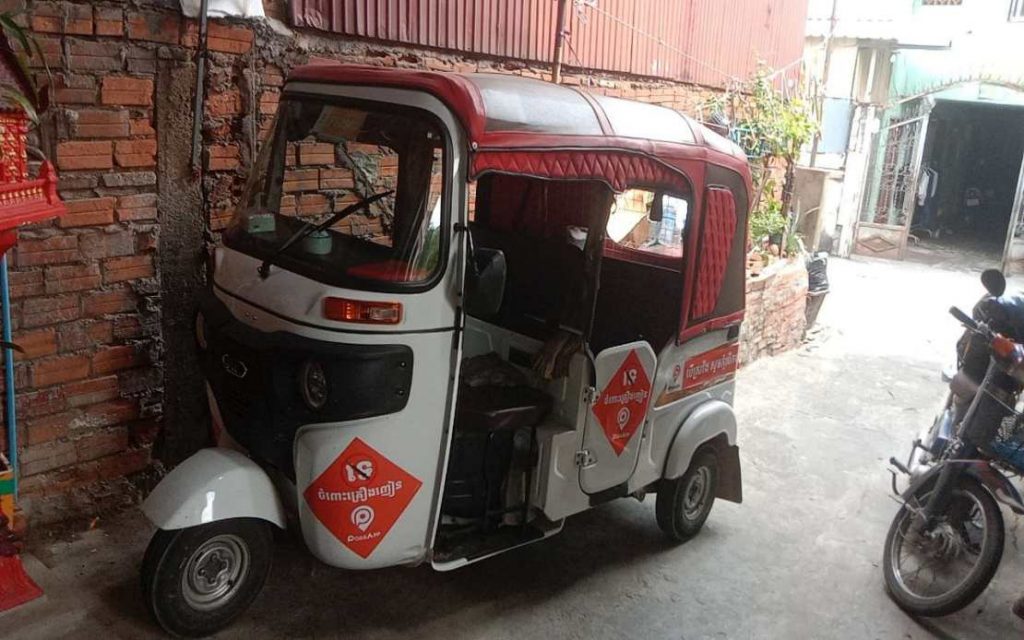
PHNOM PENH, March 16 (NNN-Bernama) — Thousands of Cambodian auto-rickshaw drivers are bracing for tough times as rising gasoline prices are beginning to affect their daily earnings, which could eventually push many into poverty.
Nearly 20,000 drivers in Phnom Penh depend on three-wheel motorised vehicles, or popularly known as “tuk-tuk”, and 90 per cent of them are powered by liquefied petroleum gas (LPG).
Signs of rising fuel prices in the Kingdom due to the volatility in the global energy market following the military turmoil in West Asia since late February could slash the ride-hailing workforce’s profitability.
“The price of gasoline is rising, and drivers’ income has been declining in recent days since the conflict started in Iran. Their income does not match the cost of living.
“They have to pay for their food, children’s schooling and manage their debt (loan repayments for the purchase of their vehicles),” Phnom Penh-based Independent Democracy of Informal Economy Association President Vorn Pao told Bernama.
The price of LPG has increased from 2,000 riel (RM2) per kilogramme (kg) to 2,800 riel (RM2.74) per kg in recent days.
The price of gasoline has been hovering at 5,200 riel (RM5.07) per litre since the outbreak of the conflict in the Persian Gulf, which has disrupted the global flow of crude oil and natural gas.
The auto-rickshaw drivers are pivotal in Cambodia’s economy, providing an invaluable urban public transportation in Phnom Penh, where the public transport infrastructure is not fully developed.
Along with “motodop” or motor taxis, they crisscross the city of nearly three million people throughout the day, providing affordable and efficient transportation to navigate congested towns.
With the Khmer New Year only weeks away, usually celebrated in mid-April, and the onset of scorching summer, auto-rickshaw drivers are likely to face severe hardship to eke out a living in the overcrowded auto-rickshaw transportation segment.
Many toil about eight to 10 hours daily to make ends meet, said Pao, but the situation is likely to change with rising fuel prices.
“They may be forced to work day and night to earn additional money, and this will affect their health. Family life will also suffer, and many may not be able to travel to their hometown during the Khmer New Year,” said Pao.
Landlocked Cambodia imports most of its oil and gas to propel its economy. Last year, the government spent RM9.4 billion (US$2.4 billion) to procure diesel, gasoline and combustion gas.
The uncertainty surrounding the global energy market due to the conflict could also affect Cambodia’s fuel imports.
The Commerce Ministry last week announced that more than 400 fuel stations and depots remain closed or have temporarily suspended operations due to delays in the arrival of new fuel supplies.
— NNN-BERNAMA