
 |
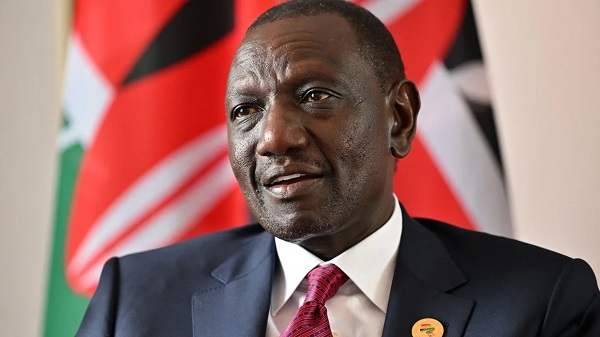
| Kenya’s President William Ruto |
NAIROBI, Jan 14 (NNN-AGENCIES) — The UN High Commissioner for Refugees (UNHCR) is calling for practical solutions to the global refugee crisis that protect displaced people while supporting host communities.
On his first official visit to Kenya, UNHCR chief Raouf Salih toured Kakuma in northwestern Kenya, one of the refugee camps authorities want to convert into an urban area as part of a policy shift.
He acknowledged Kenya’s decades-long record of hosting refugees and its policies allowing them to work and access healthcare, education and financial services.
“This is how we move from aid dependency to self-reliance. Kenya is doing its part. It needs greater international support,” he said.
Kenya is among the largest refugee hosts in eastern Africa, with 854,876 people in Kakuma and Dadaab camps and another 200,000 in urban areas. The Horn of Africa hosts about six million refugees, making it one of the world’s largest sources of cross-border displacement.
“Despite scarce resources, Kenya continues to show remarkable solidarity for people in need through smart policies that foster self-reliance and economic growth. Kakuma is a place of transformation and innovation, sending a powerful message to the world: rather than trapping refugees in aid dependency, we must urgently prioritise solutions that allow people to live in dignity and contribute to society,” Salih said after meeting President William Ruto.
President Ruto urged the international community to back Kenya’s plan to transform refugee camps into self-sufficient settlements, saying global support was essential to its success.
He said the Shirika Plan marked a decisive shift from long-term humanitarian aid to sustainable development.
“As this noble and ambitious plan is implemented, we ask the international community to support it,” he said at Sagana State Lodge in Nyeri County. Ruto said Kenya had long been recognised as a welcoming and secure country, having hosted refugees and immigrants for decades.
“For the past four decades, Kenya has offered refugees comfort, a home away from home, and a stable environment in which to rebuild their lives,” he said.
The programme, launched last year, aims to change how refugees are hosted by integrating them into local communities, promoting socio-economic inclusion and reducing reliance on humanitarian assistance.
Under the plan, long-established camps such as Dadaab and Kakuma will gradually be transformed into integrated settlements operating as municipalities. Refugees will gain greater freedom of movement, access to national services and opportunities to participate in local economies.
The policy has faced early challenges, including global aid cuts and the cost of building municipal facilities. Last year, refugees in Kakuma rioted and torched warehouses after food rations were reduced.
The Shirika Plan had proposed a gradual end to aid, including food rations, in exchange for the right to work and earn a living. Donor cuts accelerated the reduction in rations.
The government says it will improve refugees’ access to education, healthcare, livelihoods, land use, and legal documentation, while investing in infrastructure and social services that also benefit host communities.
Ruto said the dual-benefit approach aims to ease pressure on local resources, reduce tensions, and promote social cohesion.
Most refugees in Kenya are from Somalia and South Sudan, living in Dadaab and Kakuma camps and in urban centres such as Nairobi.
“The funding crisis is threatening lives and risks undoing the hard-won progress that has been made. That is why I am urging development organisations, international financial institutions, donors, and the private sector to increase their support for the Shirika Plan,” said Salih.
“These inclusive policies offer great potential to transform the futures of refugees and host communities alike.” — NNN-AGENCIES